
Description
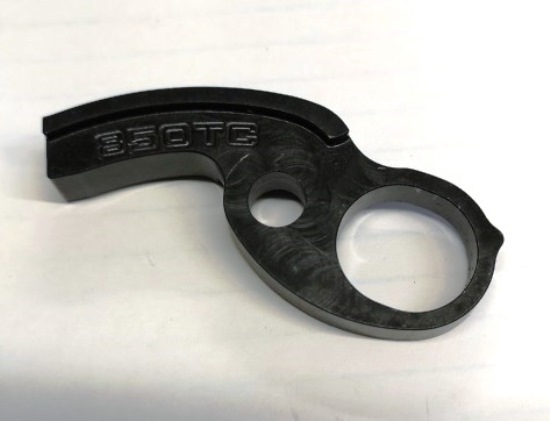
Ski-Doo 850 Turbo R Comp pdrive ramps
Ski-Doo 850 Turbo R Comp pdrive cam arms
Your clutches can act like a mini dynamometer.
The flyweight mass used in a CVT primary clutch directly reflects engine torque and available horsepower.
In Ski-Doo primary clutches (and CVTs in general), experienced tuners recognize a loose but reliable equivalence relationship between five tuning changes:
1 gram flyweight mass
≡ 200 engine RPM
≡ 1000 ft elevation change
≡ 1 clicker position
≡ 5 horsepower
These values are not exact, but they are consistently close enough to guide accurate clutch tuning across different machines and conditions.
If you understand this relationship, brand becomes irrelevant — Ski-Doo, Arctic Cat, Polaris, Yamaha, or any CVT-equipped vehicle can be tuned using the same logic.
Elevation Example (Power Peak RPM Targeting)
180 hp @ 8000 ft → ~90 g
175 hp @ 9000 ft → ~89 g
170 hp @ 10,000 ft → ~88 g
165 hp @ 11,000 ft → ~87 g
160 hp @ 12,000 ft → ~86 g
155 hp @ 13,000 ft → ~85 g
These changes place the engine near its power peak RPM by accounting for elevation, horsepower, and flyweight mass together.
Horsepower Increase Example
180 hp @ 8000 RPM → ~90 g
190 hp @ 8000 RPM → ~92 g
200 hp @ 8000 RPM → ~94 g
210 hp @ 8000 RPM → ~96 g
As engine output increases, additional flyweight mass is required to maintain the same target RPM.
IBACKSHIFT 850TC pDrive Ramp
Stock Ski-Doo MXZ / Backcountry 850 Turbo pDrive ramps weigh approximately 48 grams.
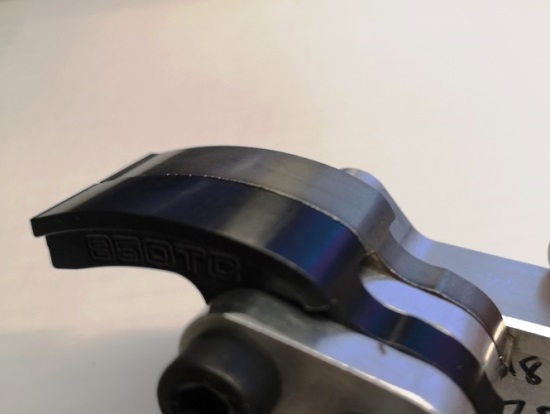
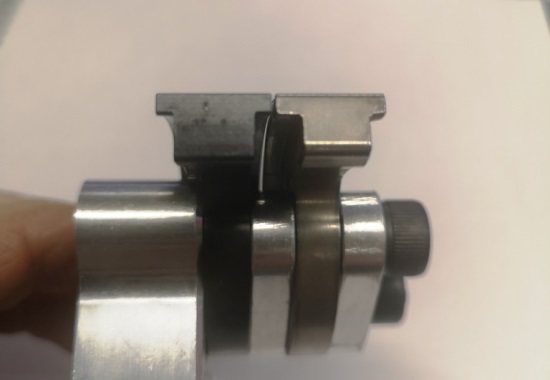
The IBACKSHIFT 850TC ramp weighs approximately 54 grams.
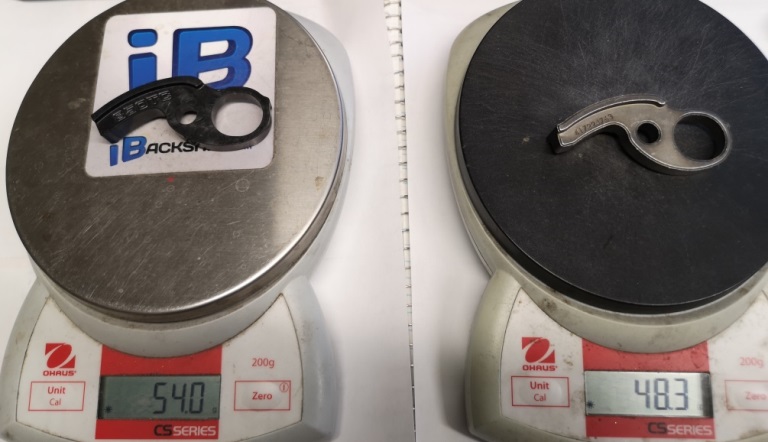
That additional mass allows the clutch system to convert more available horsepower while maintaining correct power peak RPM. Final tuning is completed using pivot bolt and weight spacer combinations.
Heavy pDrive ramps for Ski-Doo 850 Turbo models
Convert more available horsepower with the IBACKSHIFT 850TC ramp.
Ideal for single-pipe setups and tuned engines — simply adjust pDrive weight and pivot bolt mass to dial in power peak RPM.
 Located in Canada